Selling your own home means taking on the pricing, marketing, showings, negotiating, and paperwork an agent would normally handle — in exchange for keeping the listing commission, typically around 3% of the sale price. This walkthrough covers the whole process honestly, including the parts that are genuinely harder without an agent and the parts that aren't.
FSBO — for sale by owner — means selling your house without a listing agent. You keep the commission you'd otherwise pay that agent, typically around 3% of the sale price, and in exchange you take on pricing, marketing, scheduling showings, fielding offers, and getting the paperwork right.
FSBO tends to work best for sellers who have some free time, a home that doesn't need a complicated sale (no messy title issues, no unusual financing situation), and either some comfort with negotiation or the willingness to hire a real estate attorney for the contract parts. It tends to work worse for sellers in a hurry, sellers with a home that's hard to price, or sellers who'd rather hand off the whole process and not think about it.
Below is the process in order: pricing, disclosures and paperwork, where to list, showings and negotiating, photos, and a final honest read on when FSBO makes sense versus when it doesn't.
Pricing is where FSBO listings most often go wrong, and it's worth understanding why. An agent's job includes telling a seller their emotional price is too high and backing that up with comps. When you're selling your own home, there's no one in the room to do that — it's just you, deciding what your house is worth, with every incentive to lean toward a number that feels fair to you rather than a number the market will actually pay.
Overpricing is the single most common way FSBO listings stall. A house priced above the market sits longer, accumulates fewer showings per week than it should, and often ends up needing a price cut anyway — at which point buyers see the price history and start wondering what's wrong with it.
To price accurately without an agent's guidance, pull comps yourself: recently sold homes (not just listed — sold) within a half-mile or so, similar square footage, similar bed/bath count, sold in the last three to six months. Zillow, Redfin, and Realtor.com all show recent sales, though the county assessor or recorder's office has the actual recorded sale prices if you want to double check. Adjust for real differences — a renovated kitchen, an extra bathroom, a bigger lot — but adjust modestly. It's easy to talk yourself into large upward adjustments for features that buyers won't actually pay much extra for.
If you want a second opinion without hiring a full-commission agent, some agents will do a paid comparative market analysis for a flat fee, and some flat-fee MLS services include one. It's worth the cost if you're unsure — a wrong price is expensive in a way a small consulting fee isn't.
It also helps to think about pricing strategy, not just pricing math. Some sellers price slightly under market to generate multiple showings and offers in the first week or two, which can create competitive pressure that pushes the final price back up. Others price at or slightly above what the comps support and expect to negotiate down. Neither approach is universally right — it depends on your local market's pace and how much cushion you have if the home sits longer than expected. What's consistently a mistake is pricing based on what you need to walk away with (payoff plus moving costs plus a number that feels good) rather than what the comps actually support. Buyers don't know or care what you need; they're comparing your house to the other houses they've toured.
Watch your own listing's early performance closely. If you're getting very few showing requests in the first two weeks, that's usually a pricing signal, not a marketing one — buyers are seeing the listing and passing. If you're getting showings but no offers, that can point to condition, photos, or a price that's close but not quite right. Agents use this same read on showing-to-offer ratio to decide when to recommend a price adjustment; you can do the same thing by paying attention to your own numbers.
Disclosure requirements vary by state, and getting them wrong can create real legal exposure after closing — a buyer who discovers an undisclosed issue can, in some cases, sue. Most states require sellers to disclose known material defects: things like roof leaks, foundation issues, past water damage, pest problems, or major system failures. Some states have a standard disclosure form; others don't, which makes it even more important to get this right, since there's no template guiding you through what to say.
This is the part of FSBO where hiring help is genuinely worth it. A real estate attorney reviewing your purchase contract and disclosure forms typically runs somewhere in the $800–1,500 range as a flat fee — a small fraction of the roughly 3% listing commission you're saving by going FSBO. The attorney doesn't need to run your whole sale; even a one-time contract review before you sign anything catches most of the costly mistakes.
Beyond disclosures, expect to handle: the purchase agreement itself, any state-required seller forms, title work (usually through a title company, not something you do yourself), and closing coordination. A title company or real estate attorney can typically handle closing logistics whether or not an agent is involved on either side.
A few paperwork items that trip up first-time FSBO sellers specifically: contingency deadlines (inspection, financing, appraisal) that you're now responsible for tracking yourself instead of an agent's transaction coordinator; earnest money handling, which typically needs to go through a neutral third party like a title company or attorney rather than directly to you; and any HOA-related disclosures or documents, if applicable, which some states require separately from the general property disclosure. None of this is unmanageable, but it's easy to miss a deadline or a required form when there's no one whose job it is to track the checklist for you — which is exactly why a flat-fee attorney review earns its cost even on an otherwise simple sale.
A house without MLS exposure is largely invisible to serious buyers, since most buyer agents and buyer-facing search tools pull from the MLS first. Here's a brief honest rundown of the main options:
Most FSBO sellers end up using a flat-fee MLS service as the backbone, plus Zillow, Facebook, and a yard sign layered on top for additional reach.
Without an agent buffering communication, you'll be the one scheduling showings, answering buyer questions, and hearing offers directly. A few practical basics:
This is the part of FSBO that quietly determines whether the rest of your effort pays off. Your listing is competing directly against agent-listed homes in the same search results — homes that, in a lot of cases, had a professional photographer shoot them. If your photos look noticeably worse, buyers scroll past before they ever read your price or your description, no matter how well you priced the home or wrote the listing copy.
You don't need a professional shoot to get most of the way there. A phone, shot carefully, gets you photos that hold up fine online. Here's concrete guidance:
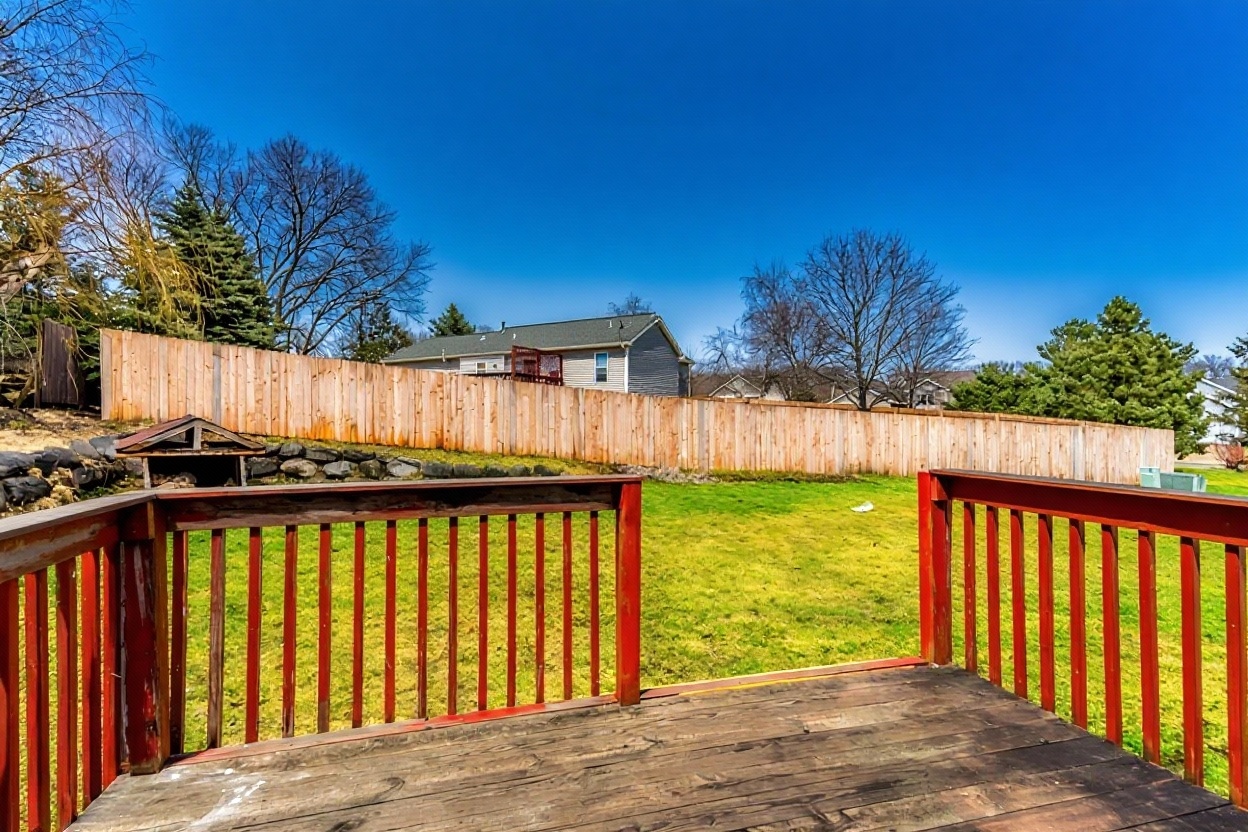
Once you have the shots, there's a real gap between a raw phone photo and a photo that looks professionally shot — mostly in exposure, color balance, and getting windows and interiors both properly lit in the same frame (something a phone camera struggles with on its own). A full professional photo shoot typically costs $150–450 for a typical home, which is a legitimate option if it fits your budget. But there's a middle step most FSBO sellers don't know exists: AI photo enhancement. FrameLifter takes your existing phone photos and fixes exposure, color, and clarity automatically — from $9.99 per listing, no subscription. For a typical home you're looking at a fraction of the cost, not a few hundred dollars.
A few more things worth getting right before you shoot. Declutter and depersonalize each room first — clear counters, put away personal photos, hide pet bowls and litter boxes, tuck cords and chargers out of frame. This matters more than most sellers expect; a tidy, empty-feeling room photographs as bigger and more move-in ready than a lived-in one, even if nothing about the room's actual size changed. Shoot every room from at least two angles so you have options when picking your final set, and don't skip the exterior — a clean, well-lit front exterior shot is usually the cover photo, and it's the first thing buyers see in search results before they ever click into the listing.
Order matters too, once you have your final photo set. Lead with the exterior or the most impressive interior room (usually the kitchen or living room), then move through the house in a logical walkthrough order — the same order a buyer would actually experience walking through the front door. A scrambled photo order makes even a nice house harder to mentally piece together, and buyers scrolling quickly are more likely to keep scrolling past a listing that doesn't make spatial sense.
If you're listing a rental or investment property rather than your primary home, the same photo principles apply, with a few additional considerations covered in our guide to rental listing photos for landlords. And if you want the deeper technical rundown on enhancement — what it fixes, what it doesn't, and how it compares to a full editing service — our AI real estate photo enhancement page walks through it.
FSBO genuinely saves money, and it genuinely tends to sell for somewhat less on average — both of those things are true at once, and it's worth sitting with that rather than picking a side. The National Association of Realtors has found that FSBO homes typically sell for less than agent-listed homes. Some of that gap is inherent to not having professional negotiation and pricing expertise in the room; some of it is attributable to weaker marketing and photos on the average FSBO listing, which is a gap you can close with effort even without an agent.
FSBO tends to make the most sense when: you have time to manage showings and communication yourself, your home is straightforward to sell (no complicated title or occupancy situation), you're willing to price carefully using real comps instead of an emotional number, and you're willing to pay for a real estate attorney to review the contract even though you're not paying for a full agent.
Hiring an agent tends to make more sense when: you're short on time or live out of the area, your home has something that complicates the sale (a difficult title, tenants in place, unusual financing on the buyer side), or you'd simply rather not manage the process yourself and value that more than the commission savings. Neither choice is wrong — it's a real tradeoff between money saved and time, effort, and some amount of expected sale price.
No. You can legally sell your own home in every state without a listing agent. You take on pricing, marketing, showings, negotiating, and paperwork yourself — some of it straightforward, some worth paying a professional for even without a full-commission agent.
Typically around 3% of the sale price — the listing side commission you're not paying. On a $400,000 home that's roughly $12,000. You'll likely still owe a buyer's agent commission plus flat fees for MLS access and an attorney, so net savings is meaningfully less than the full 3%, but still substantial.
Yes, through a flat-fee MLS listing service, typically $100–400, which puts your listing on the local MLS and syndicates it to Zillow, Realtor.com, and other major sites. You handle everything else yourself.
NAR has found that FSBO homes typically sell for less than agent-listed homes. Part of that gap comes from weaker pricing, marketing, and photos on the average FSBO listing — a gap careful comps and good photos can help close, even though it's honest that the average FSBO sale does land lower.
Not always legally required, depending on your state, but strongly recommended. A real estate attorney reviewing your contract and disclosures typically costs $800–1,500 flat fee — a small fraction of the roughly 3% commission you're saving, and it protects against contract mistakes.
You're up against agent listings with professional photography. Fix exposure, color, and clarity on your phone photos in minutes — no photographer, no subscription.
No account · No credit card to start · Results in about a minute