AI photo editing is software that corrects a photo's light, color, and perspective automatically — no editing skills, no software to learn, no waiting on a person. This page explains how it actually works, how it differs from a Photoshop editor and from a one-tap filter, and what it's honestly not built to do.
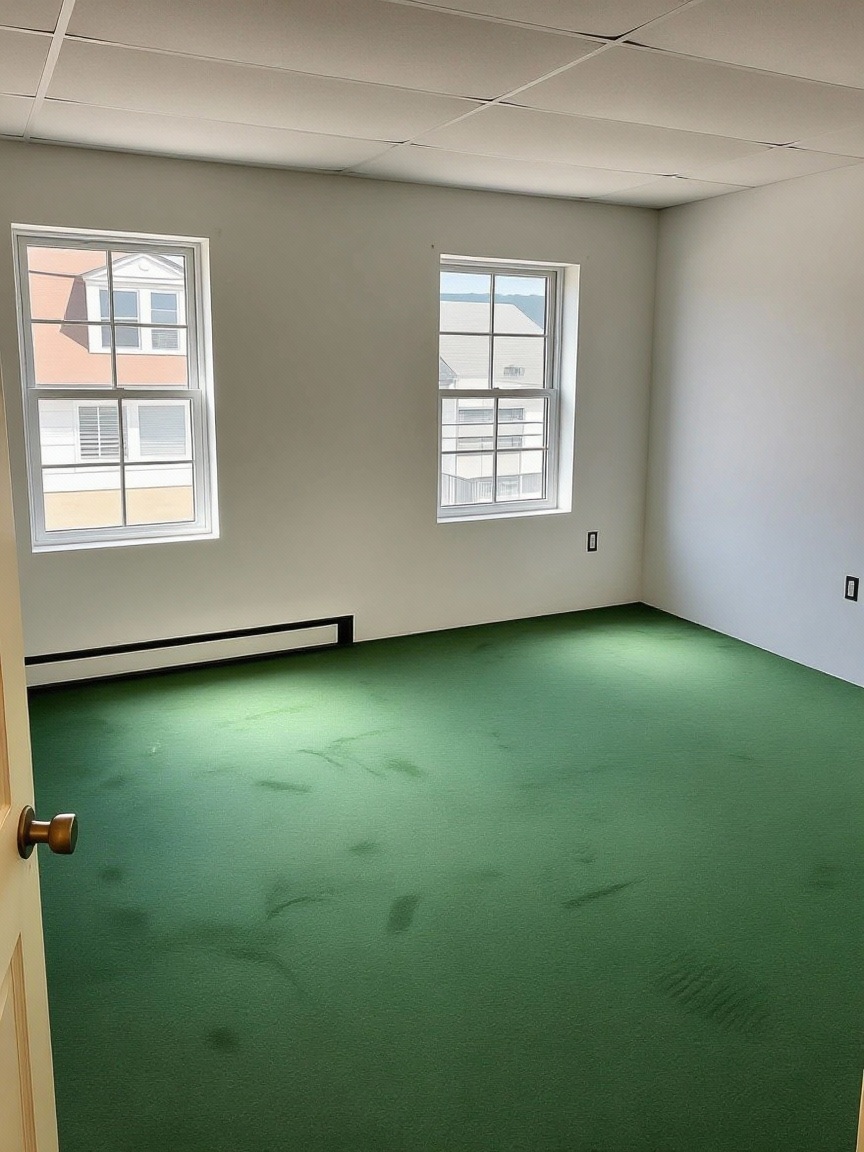
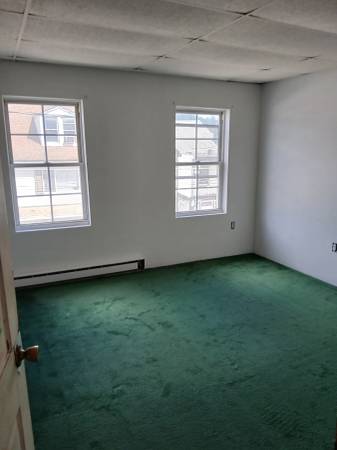
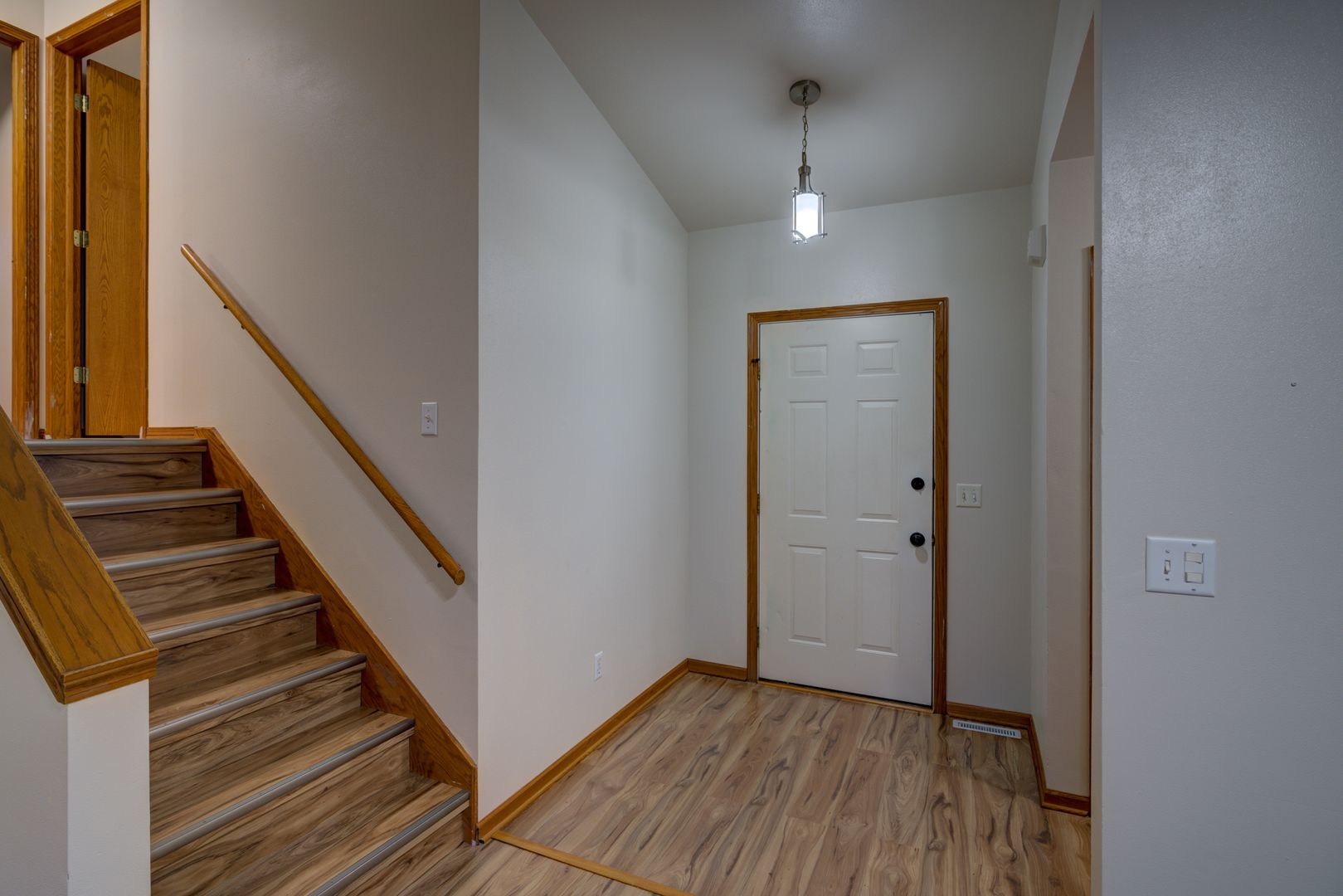
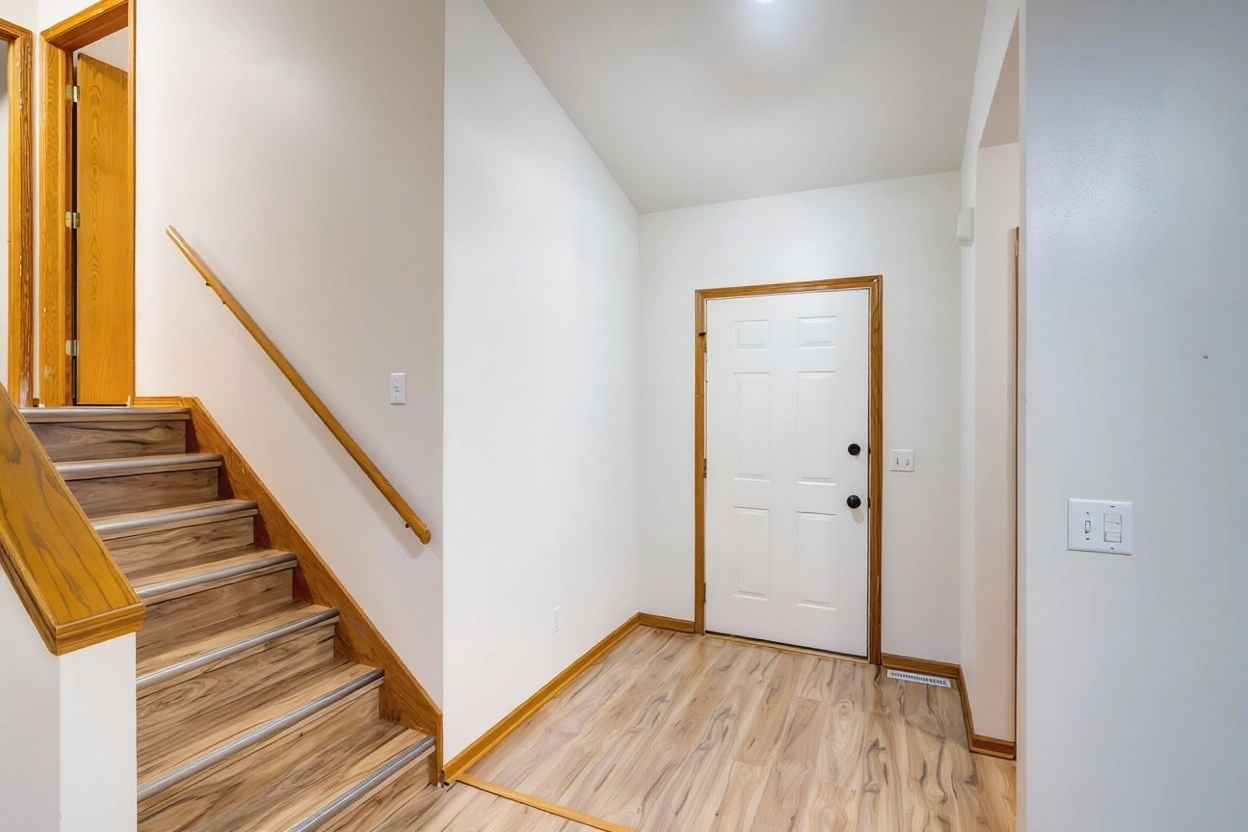
Same photo, same room — AI-corrected
A freelance editor works one photo at a time on their own schedule. AI editing reads the whole batch at once and returns results in about a minute, so there's no queue to wait behind.
A filter applies the same fixed look to every photo. AI editing evaluates each photo's own lighting and color cast and corrects it individually, so a dim room and a washed-out room don't get treated the same way.
Per-photo editors typically charge several dollars an image. AI editing runs at a fraction of that, which changes the math for anyone editing dozens of photos at once instead of just a handful.
Before and After
"This basement photo was almost unusable — muddy and yellow-tinted. The corrected version is what the room actually looks like standing in it, not an exaggerated version of it."
David Kim
Property Owner, Seattle
Any photo works — a phone snapshot or a shot from a proper camera. No pre-editing, cropping, or file conversion needed first.
It evaluates that specific photo's shadows, highlights, and color cast, then decides what correction that photo needs — not a generic preset applied blindly.
Full resolution, ready to post wherever the original would have gone — no separate export step or file conversion.
per listing
From $9.99 per listing. $1.99 per additional photo after the first five.
It's software that reads a photo and decides what a person would normally decide by hand: how much to lift the shadows, how to balance the color, where the horizon should sit. You upload a photo, the software makes those calls, and you get a corrected version back in about a minute — no editing software, no manual adjustments.
A filter applies the same preset curve to every photo regardless of what's in it. AI editing looks at each photo individually — a dark basement and an overexposed kitchen get different corrections, because they need different corrections. That's the difference between a canned look and an actual fix.
Not quite. A skilled editor can make subjective creative calls — cropping for a stronger composition, retouching a specific flaw you point out, matching a brand's exact look. AI editing doesn't do creative direction; it applies a consistent set of corrections to every photo automatically. What it gives up in bespoke judgment, it makes up in speed and price per photo.
It can't fix a bad angle, a cluttered composition, or a photo taken from the wrong spot in the room — that's on the person holding the camera. AI editing corrects light, color, and perspective in the photo you give it; it doesn't reshoot the photo for you.
The best way to understand AI photo editing is to run one of your own photos through it. See every photo enhanced before you pay.
No account · No credit card to start · Results in about a minute